STEVEN'S APPEARANCES ON CRIME STORIES WITH NANCY GRACE...
"Steven Lampley, highly regarded police veteran and SVU detective." Nancy Grace

Perp Guns Down Dad of Three Over Parking Spot
Imprisoned Husband Receives Xbox in Return for Telling Where He Buried His Wife
Hania Aguilar Found Dead in North Carolina
High School Teacher Allegedly Shoots Ex-Husband's Girlfriend in Front of Her Children
OFFICIAL CRIME & FORENSICS MERCHANDISE...
Click On Image for Sizes, Description, and Price!

C&F
Women's T-Shirt

C&F
Ball Cap

C&F
Men's T-Shirt

C&F
Keychain

C&F
Coffee Cup

C&F
Canvas Tote Bag
ONLINE
SEMINARS
FORENSICS AND CRIMINAL JUSTICE SEMINARS
STEVEN DAVID LAMPLEY
Building Stronger Officers
Building Stronger Departments
Training Built
by a Cop, for Cops
Every law enforcement officer remembers the day they
pinned on the badge.
They remember the excitement.
They remember the pride.
They remember believing they were ready for anything.
The academy teaches officers how to write reports, make arrests, handle firearms, respond to calls, and survive dangerous situations.
But there are some things the academy does not teach.
It does not teach officers how the job can change them.
It does not teach them how to handle years of seeing things
most people will never see.
It does not teach them how to explain to their spouse why they
are different after a difficult shift.
It does not teach families what happens when the person they love starts carrying the weight of the badge home.
After 21 years in law enforcement, including investigative work, being a field training officer, firearms instructor, shift supervisor (including Acting Chief) , and working alongside officers during some of the most difficult parts of this profession, I developed these programs to address the conversations that many departments need but rarely have.
This is not therapy.
This is not counseling.
This is not someone from outside the profession trying to explain police work to police officers.
This is education from someone who has lived the job.
This is real world by someone who has been there.
Benefits for Your Department
Improved officer retention and reduced turnover
Better preparation and support for new officers entering the profession
Stronger officer and family relationships
Improved morale and department culture
Reduced officer burnout and career exhaustion
More informed supervisors and command staff who understand the challenges officers face
Demonstrates the department's commitment to its officers and their long-term success
Reduced preventable career problems
Helps preserve experienced officers
Enhanced recruitment and retention efforts
Reduced turnover costs
Improved long-term career sustainability
Better prepared supervisors and field training officers

Why These Programs Matter
Law enforcement officers are trained to handle everyone else's problems.
They respond when people are having the worst day of their lives.
They deal with violence, tragedy, death, accidents, abuse, and situations most people could never imagine.
But officers are often expected to go home afterward, sit at the dinner table, and pretend everything is normal.
Over time, the job leaves a mark.
Sometimes it shows up as:
-
An officer who becomes distant at home
-
A spouse who feels like they lost the person they married
-
A rookie who becomes overwhelmed by the reality of the job
-
A veteran who is exhausted but does not know how to say it
-
An officer approaching retirement who wonders what comes next
These programs are designed to help officers and families understand those challenges before they become bigger problems.

Your First Year Behind the Badge
What Every New Officer Needs to Know Before They Learn the Hard Way
Designed for:
-
Police academies
-
New officers
-
Probationary officers
-
Field training programs
The first year of police work changes people.
New officers quickly learn that the job is much different than what they imagined.
This program addresses:
-
The reality of life after the academy
-
Handling criticism and mistakes
-
Learning from veteran officers
-
Developing confidence without becoming arrogant
-
Protecting your reputation early in your career
-
Understanding how the job affects your personal life
-
Avoiding mistakes that can damage a career
A successful officer is not just someone who knows policy and procedure.
A successful officer learns how to survive the profession.
The Badge Changes You
Understanding What Law Enforcement Work Does to the Officer
Designed for:
-
Patrol officers
-
Detectives
-
Supervisors
-
Command staff
Every officer changes because of this job.
The question is whether officers understand those changes.
This program discusses:
-
The mindset officers develop to survive
-
Why officers become more guarded over time
-
Why communication at home can become difficult
-
Why some officers struggle to turn the job off
-
The cumulative effect of years of exposure to human tragedy
-
Protecting the officer behind the uniform
Being tough is part of police work.
Knowing when the job is affecting you is part of surviving it.
When Someone You Love Wears the Badge
Helping Police Families Understand What Officers Experience
Designed for:
-
Officers and their spouses
-
Police families
-
Recruit families
-
Department family programs
-
The badge does not just affect the person wearing it.
It affects everyone who loves them.
Families often see the changes but do not understand where they come from.
This program discusses:
-
Why officers may not talk about work
-
Why some calls stay with them
-
Why shift work creates challenges
-
Why officers sometimes seem emotionally distant
-
How families can support each other
-
How to protect the relationship while supporting the career
A strong family support system helps officers stay healthy, focused, and committed to the profession.
After the Badge
Preparing Officers for Life After Law Enforcement
Designed for:
-
Retirement-eligible officers
-
Veteran officers
-
Retirement programs
Many officers spend 20 or 30 years answering one question:
"What do you do?"
The answer is:
"I'm a law enforcement officer."
Then one day, that answer changes.
This program addresses:
-
Losing the daily mission
-
Finding purpose after retirement
-
Adjusting to a different lifestyle
-
Maintaining connections
-
Preparing emotionally before leaving the profession
Retirement should be the beginning of the next chapter, not the end of the story.
Bring This Training to Your Department
Departments invest thousands of dollars training officers how to do the job.
They train tactics.
They train firearms.
They train investigations.
They train procedures.
But officers also need preparation for the part of the job that follows them home.
These programs provide practical education that can help:
Improve officer retention
Strengthen relationships between officers and families
Support new officers entering the profession
Give supervisors better insight into their personnel
Build a healthier department culture
Department Training Options
Individual Two-Hour Presentation
A focused presentation for your officers, academy, or department.
Investment: $800*
Quarterly Officer Development Series
A four-part annual program designed to provide ongoing training throughout the year.
You pick the program and sequence.
EXAMPLE
Quarter 1:
Your First Year Behind the Badge
Quarter 2:
The Badge Changes You
Quarter 3:
When Someone You Love Wears the Badge
Quarter 4:
After the Badge
Annual Investment: $2,900*
[*If presented live (greatly preferred over online), add travel expenses and hotel. Steven flies out of Huntsville, Alabama. No per diem is needed, he pays for his own food.]
About Steven David Lampley
Steven David Lampley brings more than two decades of real-world law enforcement experience, investigative knowledge, and education experience to his law enforcement wellness and resilience programs.
During his 21-year law enforcement career, Steven served in a variety of roles, including detective, field training officer, firearms instructor, investigator, and supervisor. His career placed him in situations that required sound judgment, communication skills, leadership, and an understanding of human behavior under some of the most difficult circumstances officers encounter.
Throughout his career, Steven developed a deep understanding of the challenges that come with wearing the badge. He witnessed firsthand how the profession affects officers, their families, and the departments they serve. The calls may end when an officer clears the scene, but the impact of those experiences often follows officers home.
After retiring from law enforcement, Steven continued sharing his knowledge through writing, teaching, and public presentations focused on crime, human behavior, investigations, and the realities of police work.
Many people may recognize Steven from his more than 70 appearances on Crime Stories with Nancy Grace, or from his high-profile cases featured on programs including The Discovery Channel, New Detectives, America's Most Wanted, and TruTV. His expertise and presentations have also been featured in publications including The New York Times and The Telegraph in London. He is a former writer for Psychology Today, Death Investigator Magazine, and Law Enforcement Today.
Beyond media appearances, Steven has dedicated much of his professional life to educating others. He has taught forensic-related subjects, presented to professional audiences, written extensively, and worked to help people better understand crime, human behavior, and the challenges faced by those who serve in law enforcement.
Steven's approach to officer wellness education is different because it comes from experience inside the profession. These programs are not created from theory alone. They are built from years of standing beside officers, understanding the culture of policing, and seeing the realities that come with a career dedicated to protecting others.
His mission is simple:
To help officers build successful careers, help families better understand the challenges of the badge, and help departments strengthen the people who make their mission possible.
Strong departments are built by strong officers.
And strong officers need more than training to do the job. They need preparation for what the job can do to them.
Schedule a Department Presentation
If your department is looking for practical training that speaks directly to officers and families, contact Steven David Lampley today.
This is not about telling officers they are broken.
It is about giving them information, perspective, and tools to have a long, successful career.


Standing-room-only, CrimeCon, Gaylord Opryland Convention Center, Nashville, Tennessee. Presidential Ballroom. over 850 people seated.

Thalia Theater, Chicago
Steven's "How to Catch a Liar," civilian training program.


"Almost 1,000 people in a standing-
room-only ballroom!"
The New York Times
"The crowd LOVED YOU!"
Red Seat Ventures
New York
"It was standing room only. We were sitting on the floor in the very back. Great session!"
Beth Smith Fink
"I specifically attended his session so that I could return to interviews featured in the Netflix docuseries, "The Keepers.""
Gemma Hoskins
Netflix
"The Keepers"
Events Across the United States


BOOKS
"He (Steven) can take all that information and
explain it in a way anybody can understand."
.
Nancy Grace
Crime Stories with Nancy Grace
FOX Nation, SIRIUS Radio
NEWEST RELEASE!!
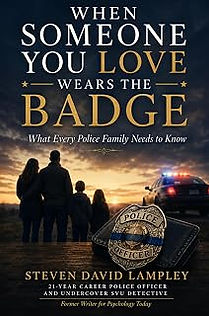
Loving a police officer means loving someone who carries a responsibility most people will never fully understand.
Behind every badge is a person. Behind every officer is a family that shares in the sacrifices, challenges, and emotional realities of the profession.
In When Someone You Love Wears the Badge: What Every Police Family Needs to Know, former 21-year police officer and undercover SVU detective Steven David Lampley provides an honest and compassionate look at the experiences that shape law enforcement families.
This book was written for the spouses, parents, children, and loved ones who stand beside the men and women who serve.
It explores the challenges that often remain unseen after the uniform comes off and the shift officially ends.Police work does not stay at the station.
The job can follow officers home through the memories they carry, the instincts they develop, the experiences they cannot always explain, and the emotional weight they quietly hold.
This book coincides with Steven's academy and police department speaking program, WHEN SOMEONE YOU LOVE WEARS THE BADGE!
$24.99 with special pricing for bulk police academy orders with a minimum of twenty-five copies!